Juna Horstmans
Hidden Agenda Monthly: Edition #6 - July 2026
By Patou J. Foetisch // 21 JUL 2026
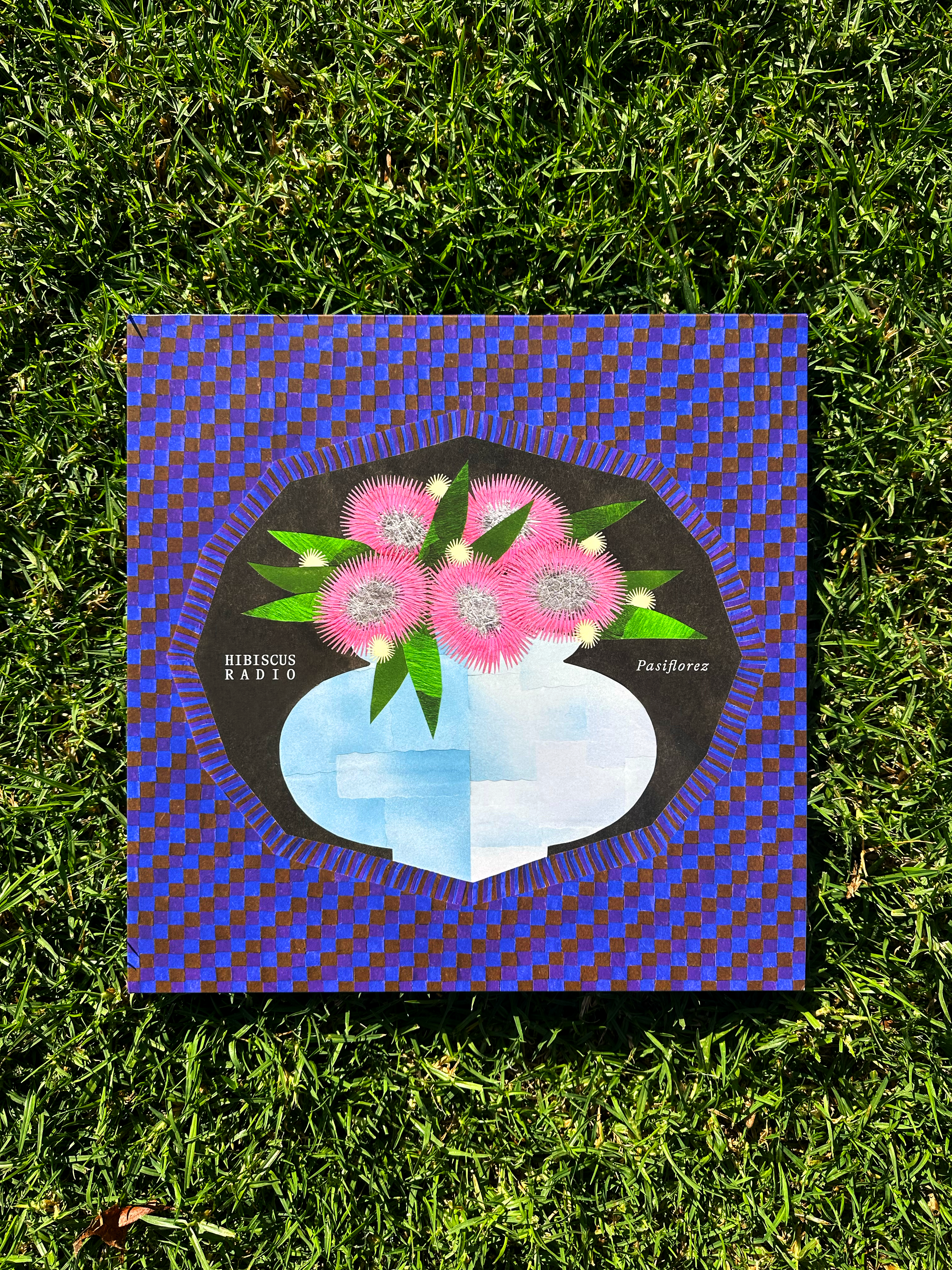
Image: Pasiflorez Album Cover
Juna Horstmans' work often feels suspended between two recurring forms: the window and the flower. One frames perception, offering a partial view into something beyond itself; the other unfolds according to its own rhythm, moulded by cycles of growth, change and return. Together they suggest two of the central concerns running through her practice: how we look, and how things change when we continue looking. Everyday objects, domestic arrangements and fragments gathered from daily life remain recognisable, yet subtly altered through sustained attention. Her images do not simply depict the world around her. They ask what becomes visible when we spend longer looking at it.
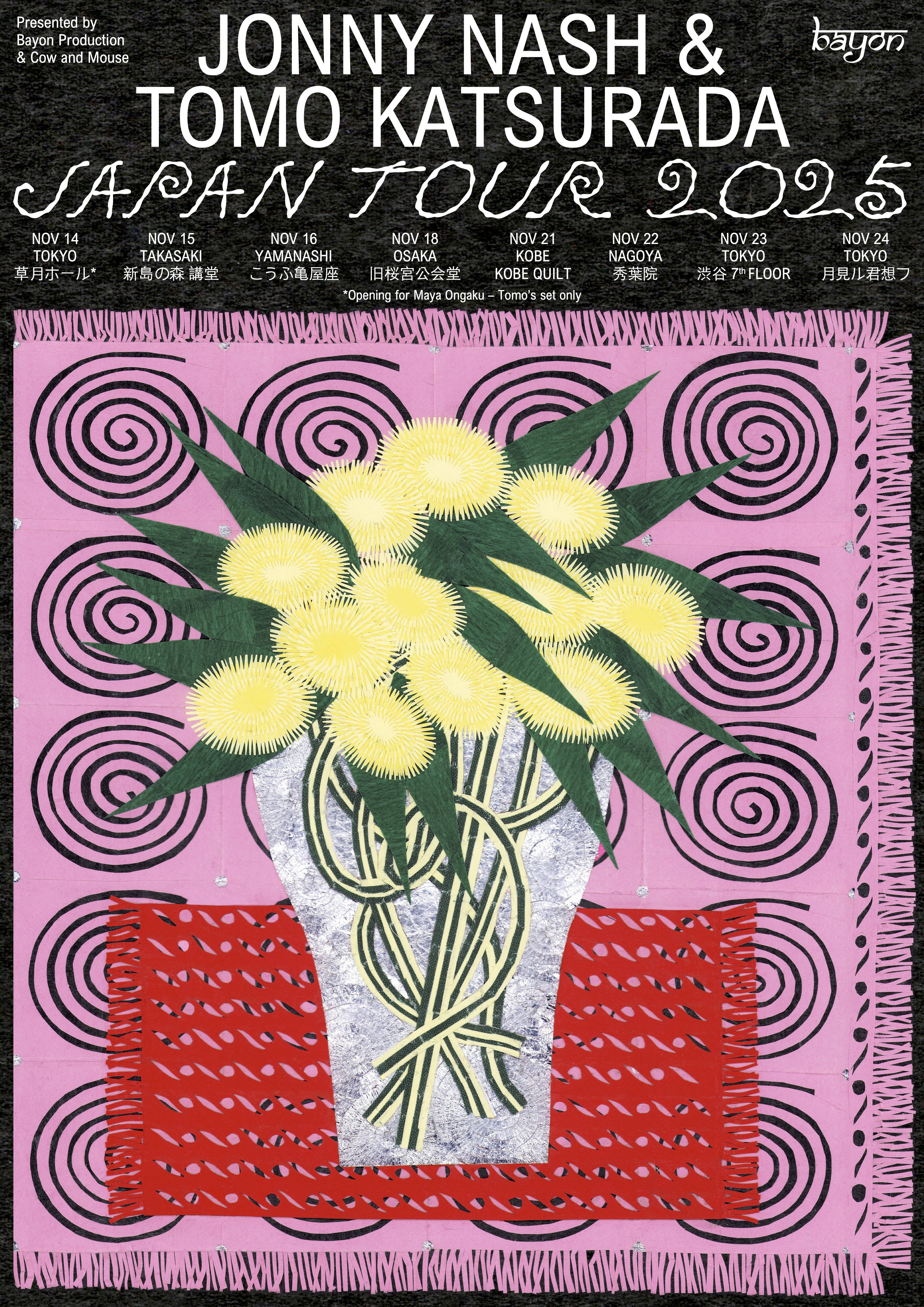
Jonny Nash & Tomoyuki Katsurada Japan Tour Poster 2025
At the centre of Horstmans' creative process is a sustained act of paying attention. Asked whether it has evolved into a practice in itself, she smiles and nods before describing her daily routine: "Every day I'm kind of picking up little things." Photography allows her to collect visual notes that may later reappear. "The more I photograph them and engage with them, the more substantial they become." Windows open a particularly significant place within this way of looking. During her studies at the Gerrit Rietveld Academie she wrote her thesis on the subject, describing them as structures that provide insights into different worlds. Peering through a window means occupying two positions at once, observing while remaining aware of the frame. The relationship can also be reversed, inviting viewers to look into the work much as Horstmans looks into the world around her. The same dynamic carries through her visual language, where familiar subjects are lifted from their surroundings and reorganised.
Flowers return repeatedly as markers of change. Seasons alter colour, density and atmosphere, while familiar motifs resurface in different states throughout the year. "A lot of the rhythm in my work comes from repetition and pacing." Meaning develops through return, shaped by gradual accumulation and the quiet transformations that emerge through sustained attention.
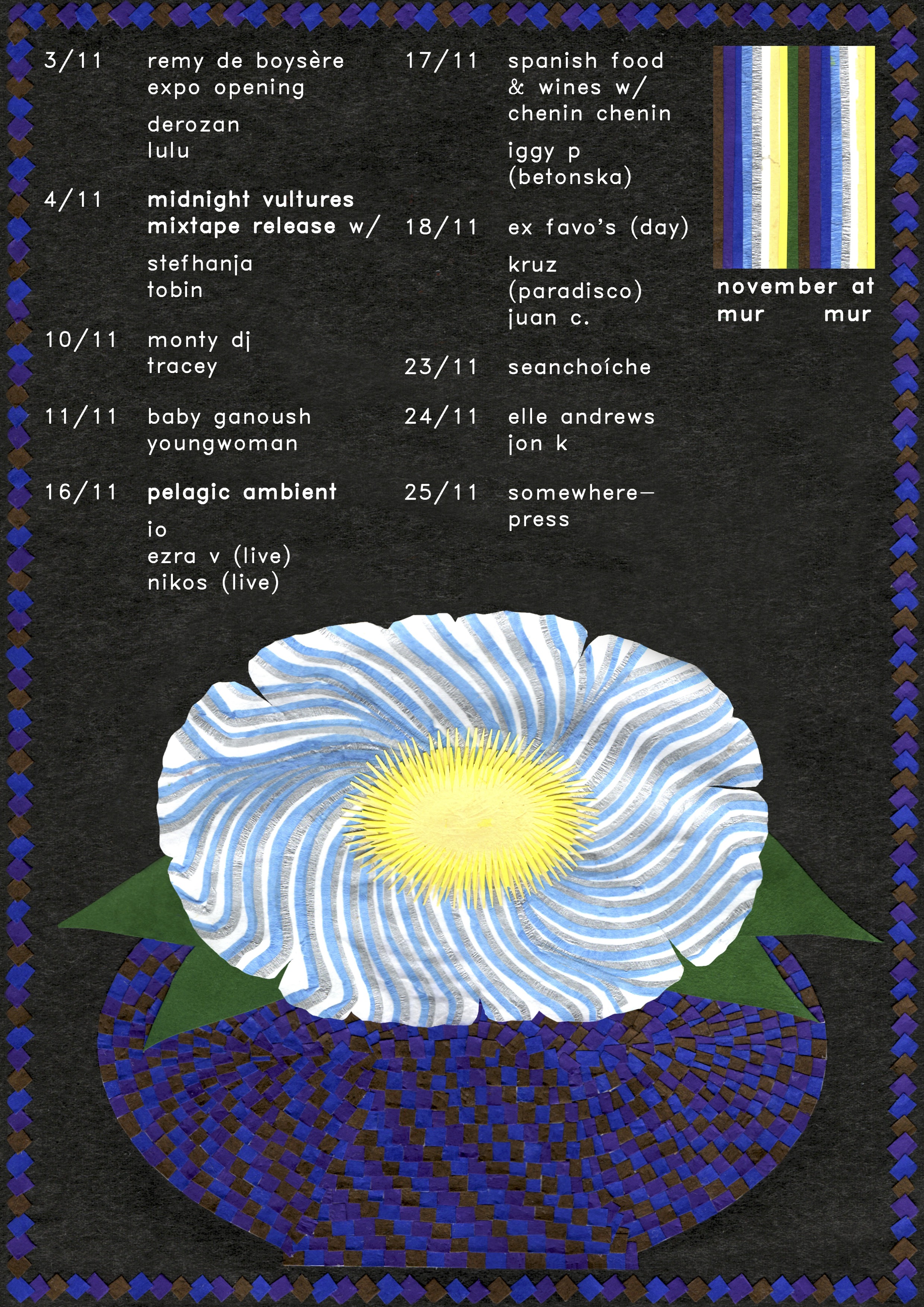
Murmur November 2024 Poster
That attentiveness extends beyond imagery alone. Materiality is equally central to her way of making. "I'm always looking for little scraps and things that could ultimately be used in a project," she explains. These collected fragments feed into a wider visual vocabulary that continues to evolve alongside her image-making. "Texture is a really big part of the work as well." When asked whether this interest operates physically or visually, Horstmans is quick to emphasise the visual dimension. Metallic papers, gradients, found materials and torn surfaces recur, becoming compositional elements as much as collected objects.
Although trained in graphic design, Horstmans has consistently gravitated towards analogue processes. Physical materials impose limitations, demand patience and encourage a different kind of focus. "Paper isn't distracting. It's way more engaging and easier on the eyes." That sensibility extends into the finished pieces. At first glance many appear measured and carefully arranged, yet closer inspection reveals interruptions and irregularities. Straight lines give way to torn edges. Structured forms coexist with spontaneous gestures. "If everything feels too resolved or overly balanced, the image can usually tend to lose some energy." Precision and disruption remain in constant negotiation, allowing the work to retain a sense of movement rather than settling into certainty.
When these intimate encounters enter public space, they take on a different scale. Reflecting on her installation for Tobacco Theater, Horstmans describes the challenge of preserving intimacy while expanding the work physically. She remains interested in creating moments of pause within everyday movement. "I hope that it can make people stop for a second and kind of take a moment to think." Observing, collecting, pacing and composition all become methods of encouraging a slower mode of engagement. Horstmans prefers to leave things open. "I like leaving space for interpretation rather than directing viewers towards a single reading." In doing so, her work offers not only an image of the world, but a different way of paying attention to it.
Pintai
More Editorials
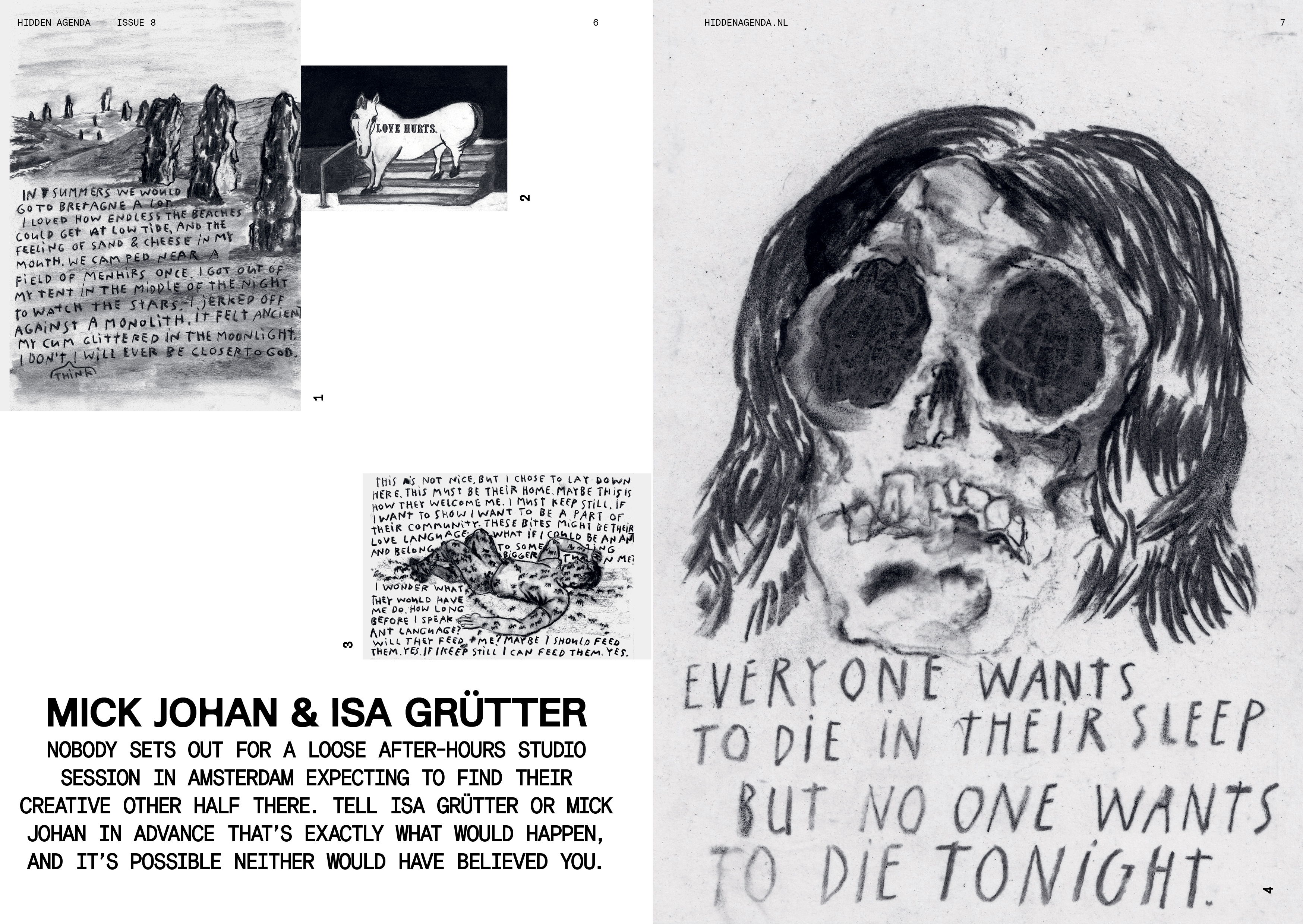
Mick Johan & Isa Grütter
By Patou J. FoetischNobody sets out for a loose after-hours studio session in Amsterdam expecting to find their creative other half there. Tell Isa Grütter or Mick Johan in advance that’s exactly what would happen, and…
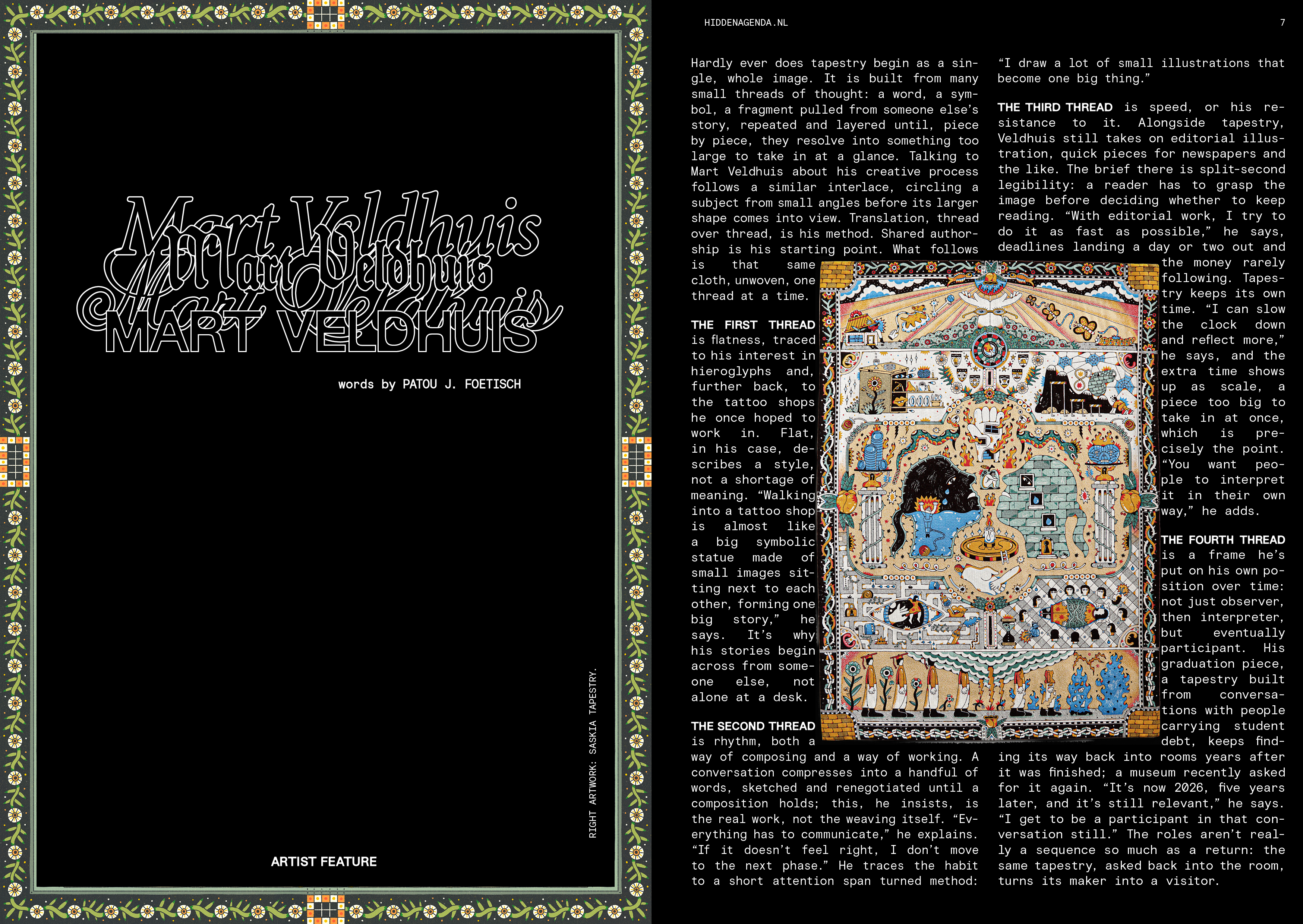
Mart Veldhuis
By Patou J. FoetischHardly ever does tapestry begin as a single, whole image. It is built from many small threads of thought: a word, a symbol, a fragment pulled from someone else's story, repeated and layered until,…
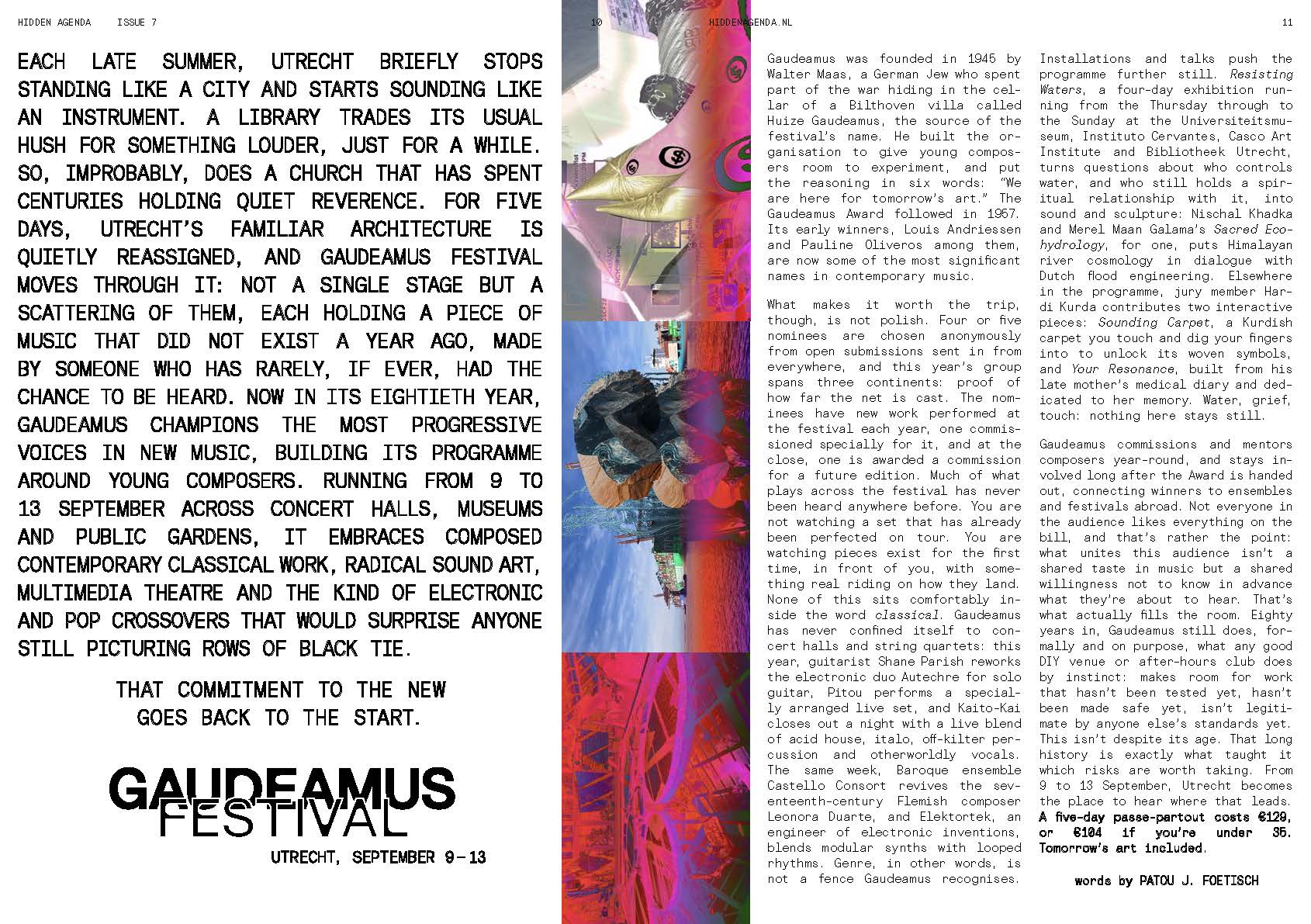
Gaudeamus Festival 2026
By Patou J. FoetischEach late summer, Utrecht briefly stops standing like a city and starts sounding like an instrument. A library trades its usual hush for something louder, just for a while. So, improbably, does a…
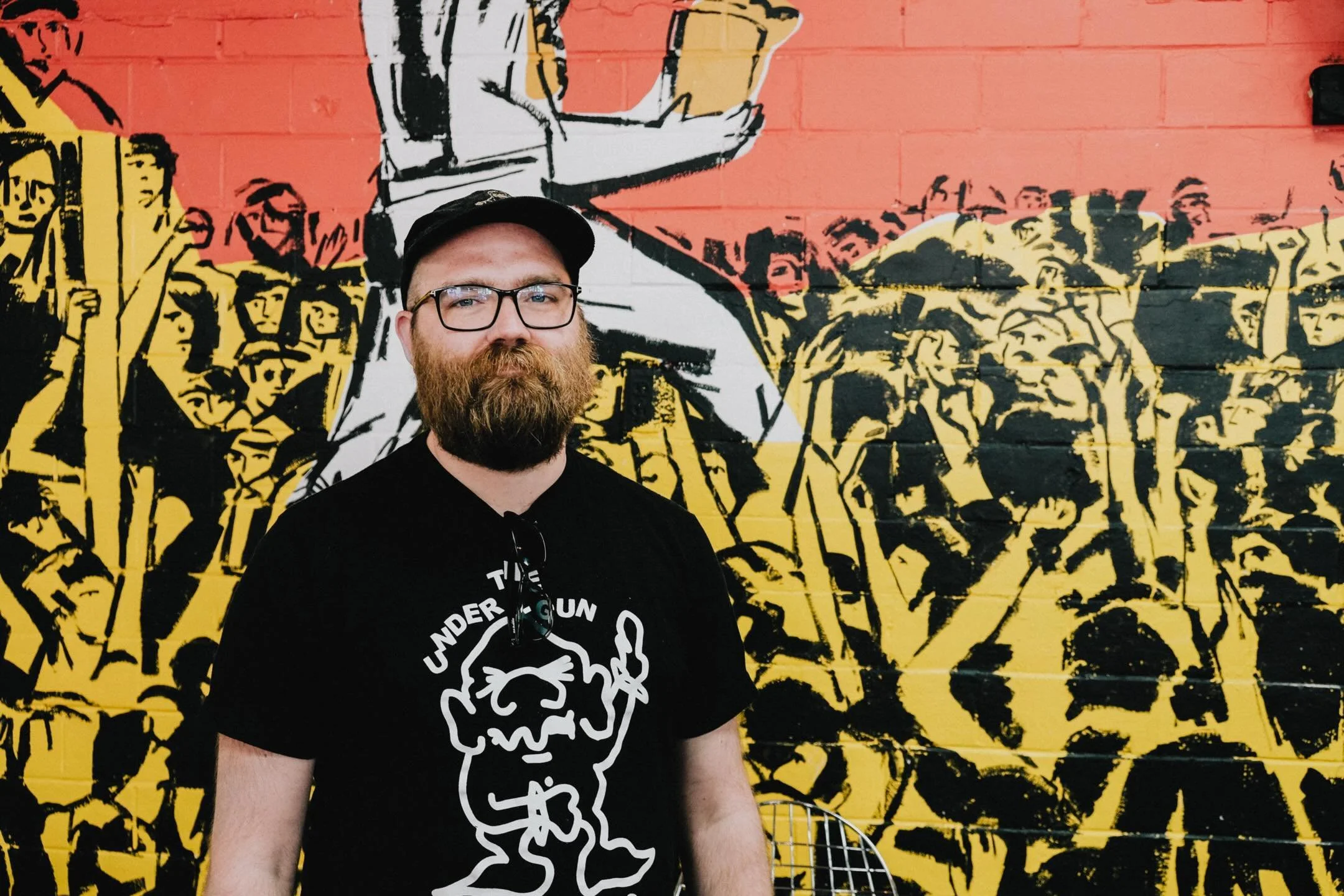
Meet your new favourite small-town punk
By Julia de Oliveira MoritzHere’s what it’s like chatting with Evan: he is almost perpetually excited, and the main way to tell if he’s smiling is through the slight movement of his moustache, unless he lets out his hearty…
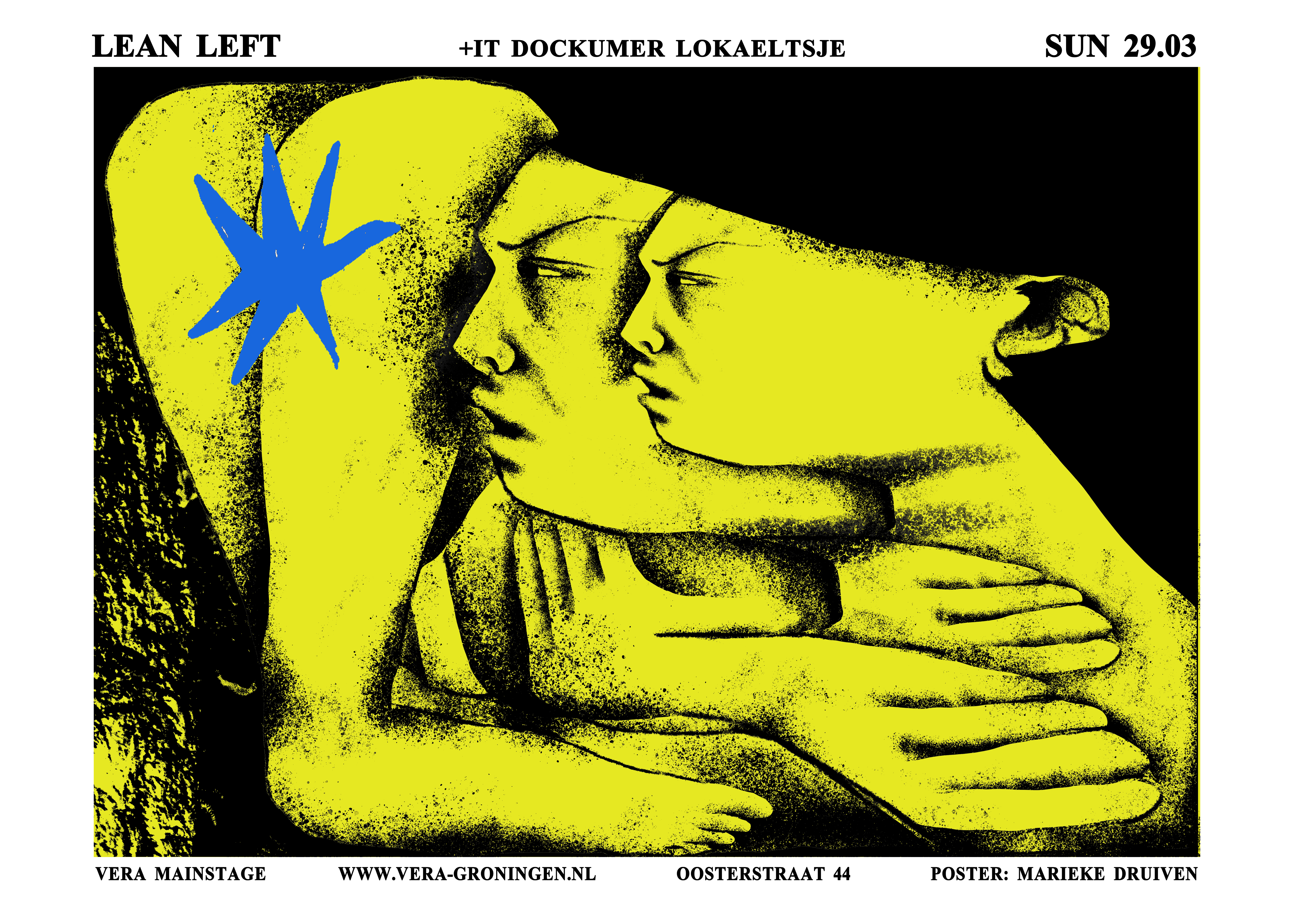
Marieke Druiven
By Patou J. FoetischMarieke Druiven's work feels suspended somewhere between the familiar and the unreal. Her figures and environments carry the strange familiarity of something half-recognised, as though ordinary…
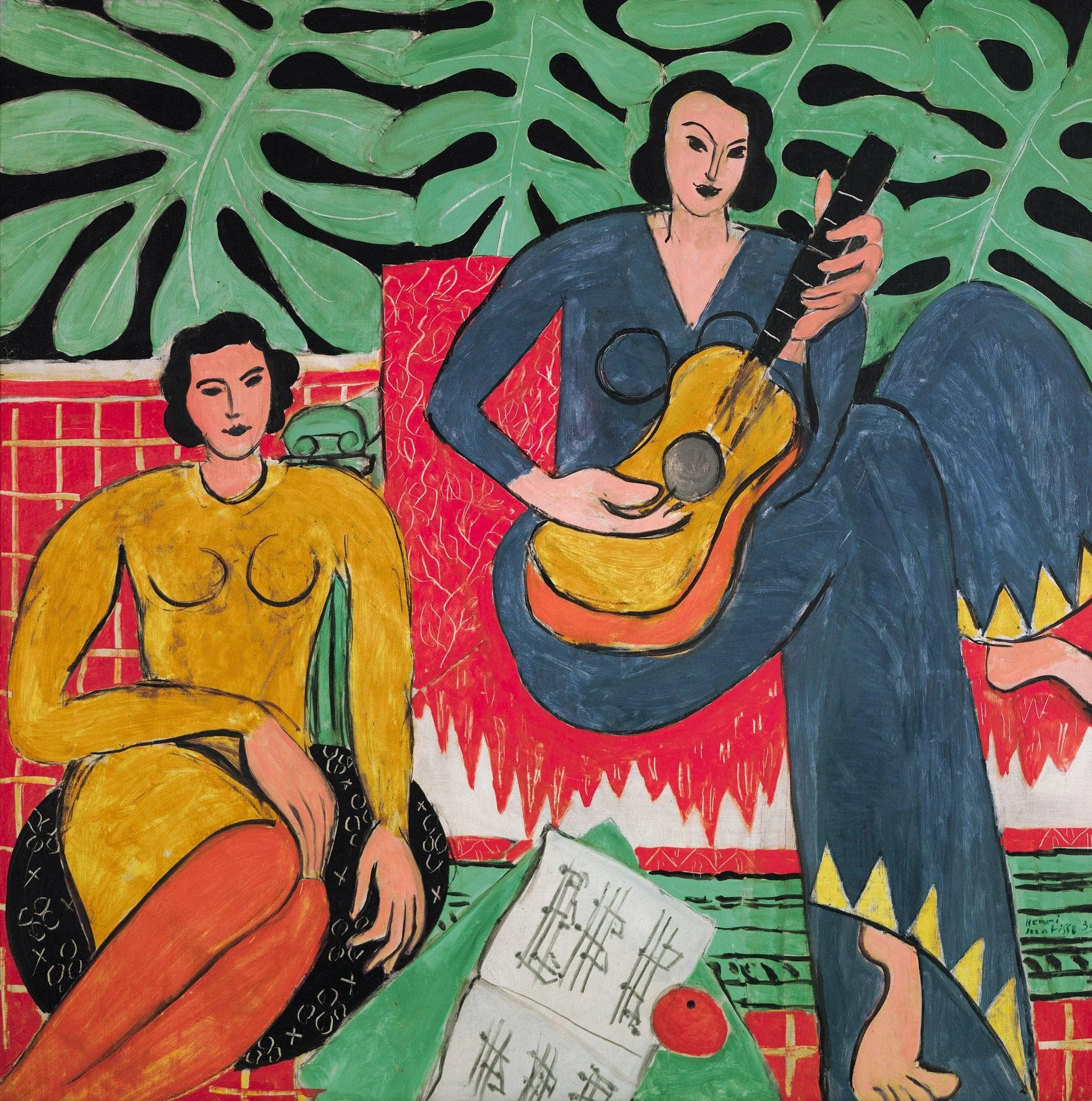
The cultural hangover following the Spotify boycotts
By Julia de Oliveira MoritzSpotify has faced criticism before. Taylor Swift, Joni Mitchell, and Thom Yorke have all removed their music from the platform in the past, only to sneak back in. It’s happening again now, seemingly…
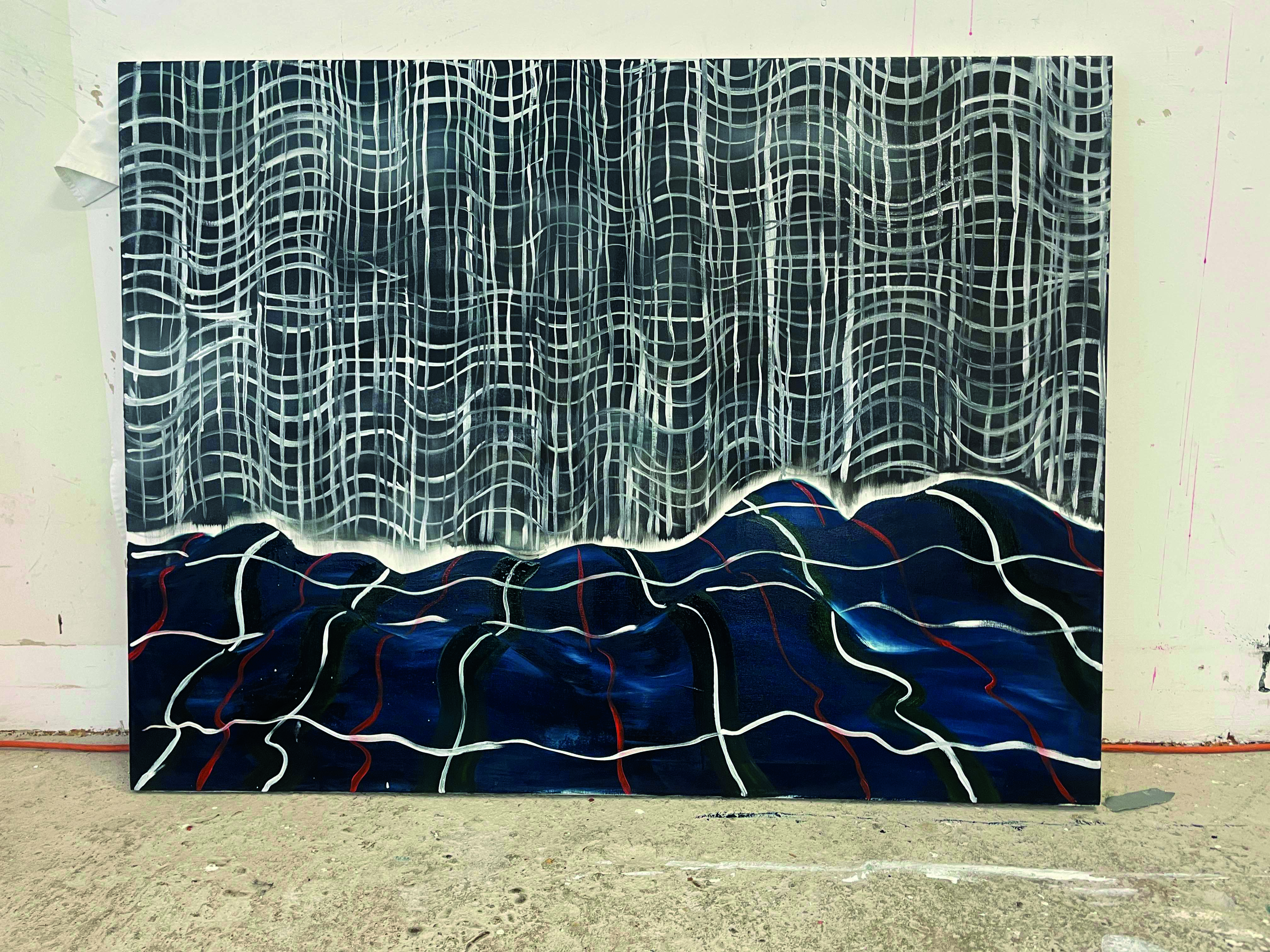
Una Jongenelis
By Patou J. FoetischNot everything moves in a straight line. Some processes unfold through hesitation and repetition that are never quite the same. What first may appear as a digression begins to fall into its own…
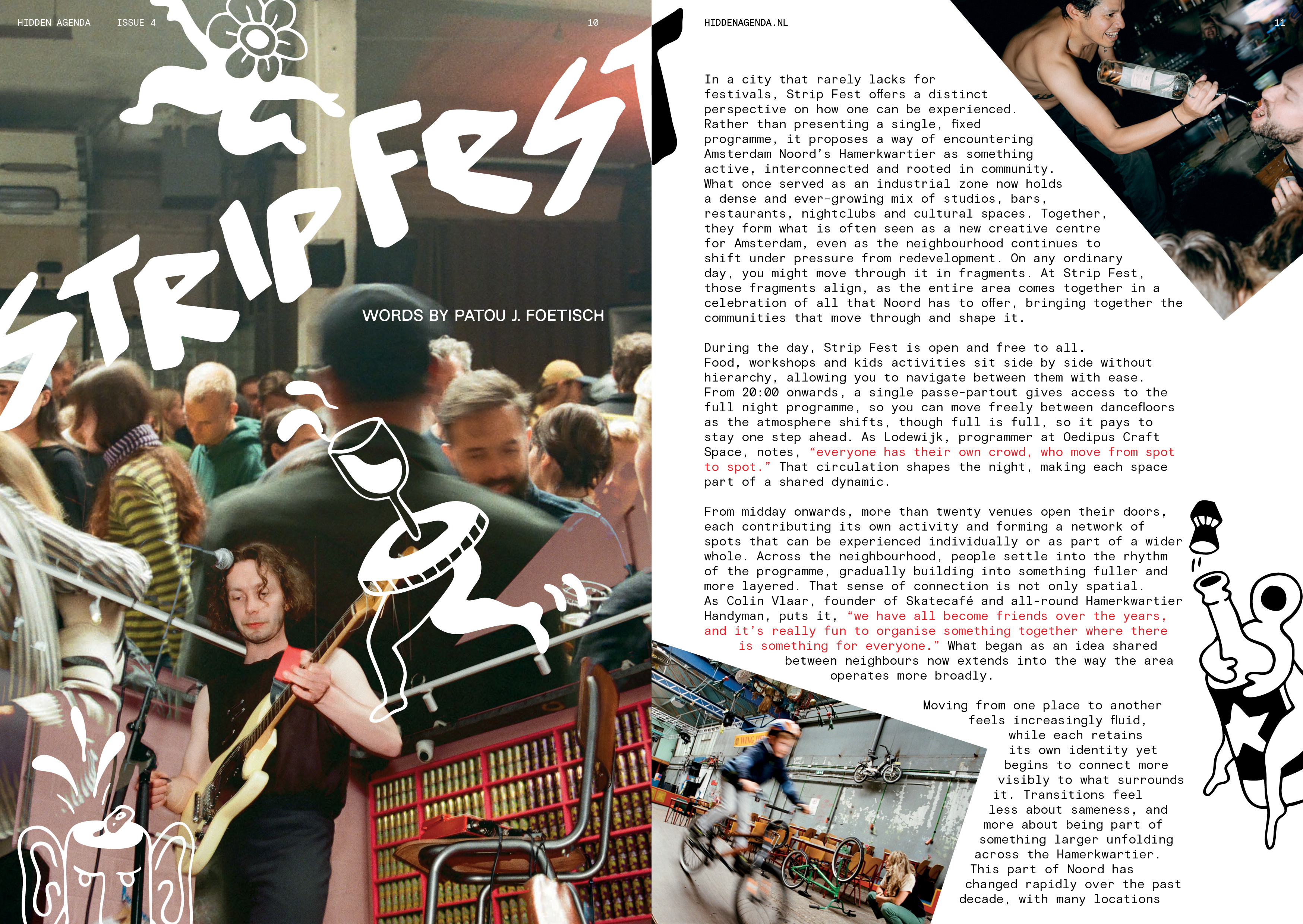
Strip Fest 2026
By Patou J. FoetischIn a city that rarely lacks for festivals, Strip Fest offers a distinct perspective on how one can be experienced. Rather than presenting a single, fixed programme, it proposes a way of encountering…
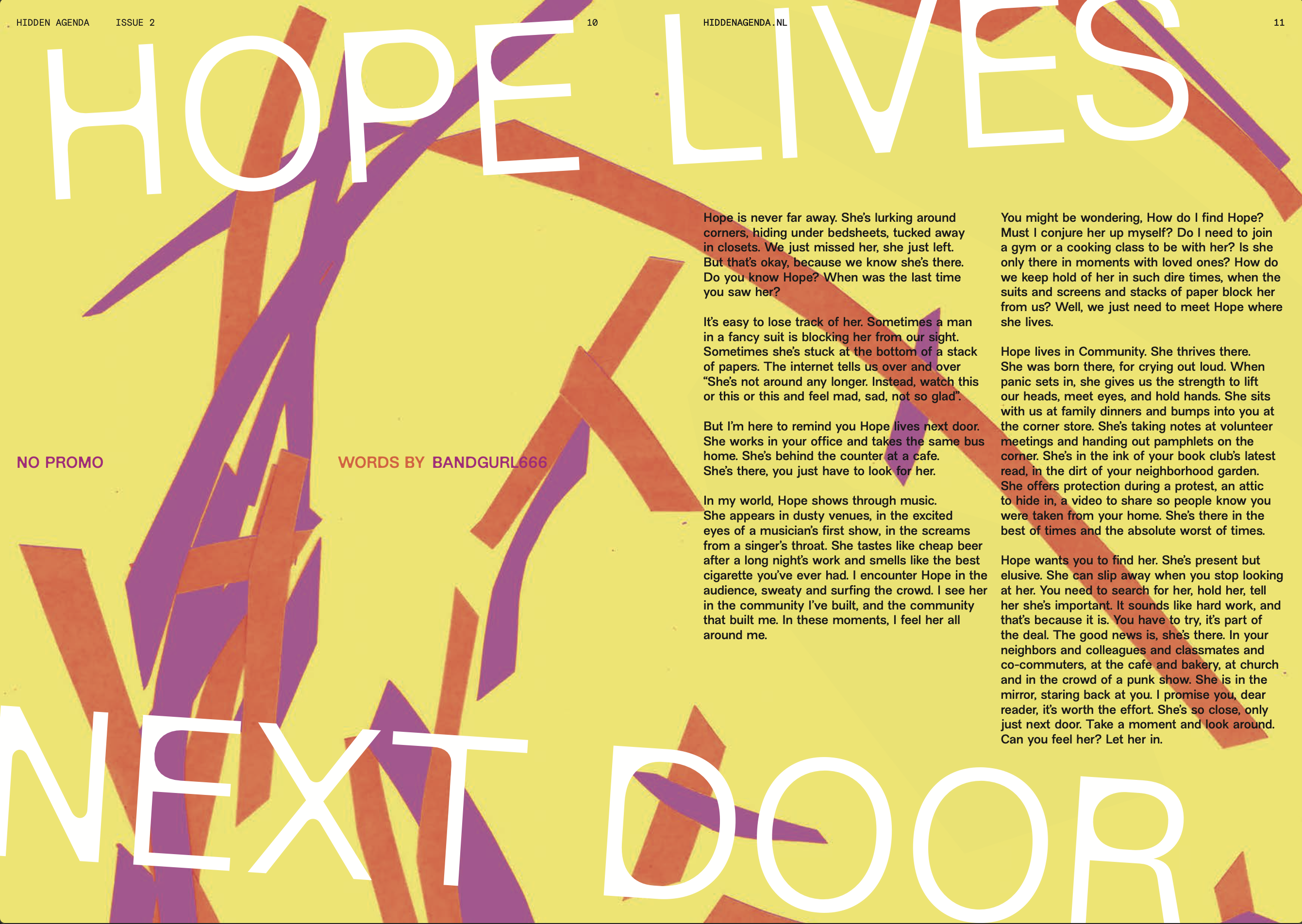
Hope Lives Next Door
By Bandgurl666Hope is never far away. She’s lurking around corners, hiding under bedsheets, tucked away in closets. We just missed her, she just left. But that’s okay, because we know she’s there. Do you know…
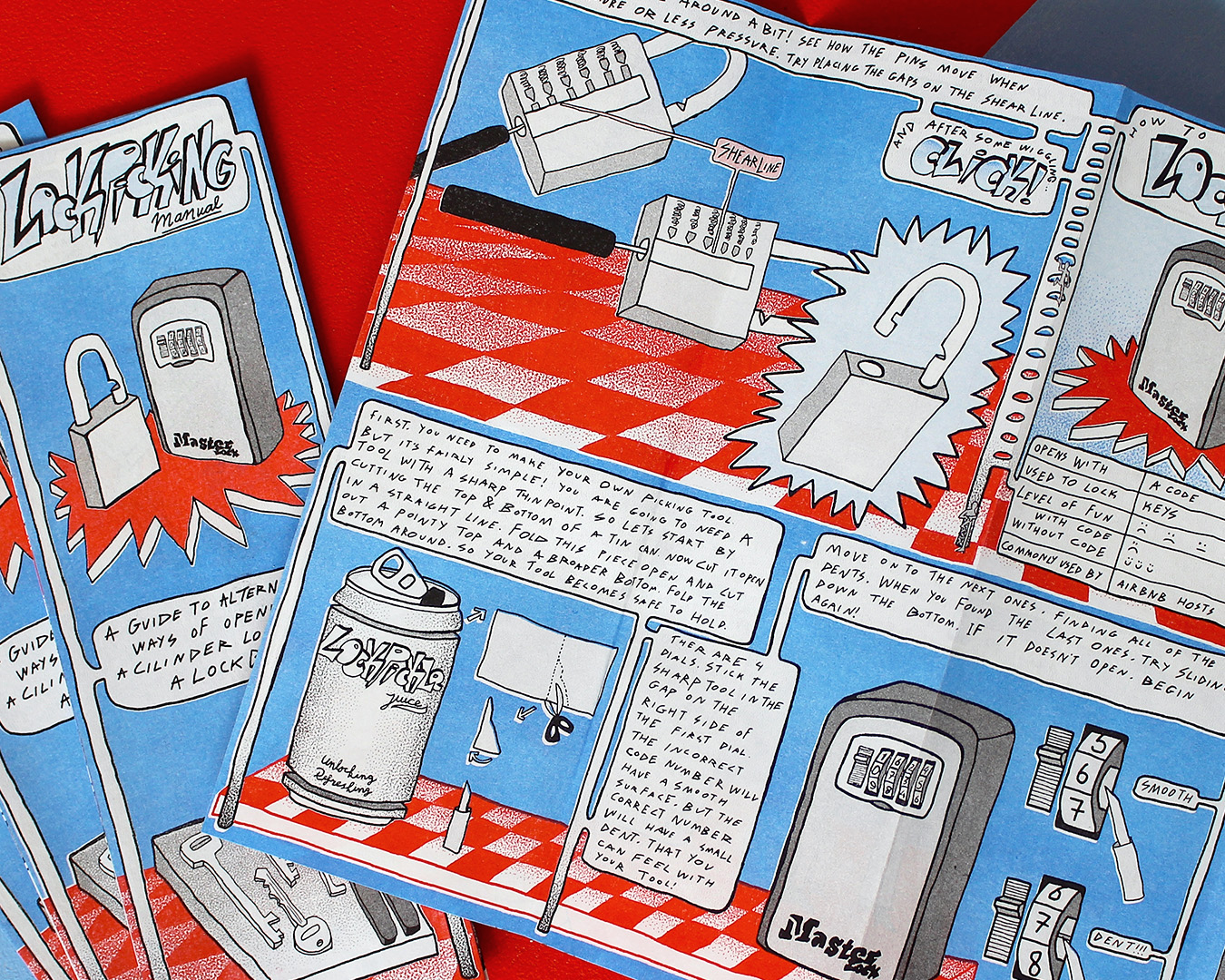
Layla Gijsen
By Patou J. FoetischOur conversation prior to this interview begins with something trivial: undercooked rice, before drifting into questions of making and momentum. Although unrelated, the anecdote hints at something…